How to Choose a Private Tour Barcelona Experience in Ciutat Vella
Choosing a private tour Barcelona experience takes a little thought, especially in a city with layered history, busy streets and many ways to spend a day. A good choice starts with knowing what you want from the time, not just which famous names appear in the title. The best fit usually feels easy from the first question to the last stop, with a pace and theme that suit the people travelling.
Start with the purpose of the day
Begin by deciding what the tour is mainly for. Some people want a clear introduction to the city centre, with old streets, plazas and landmarks. Others want time focused on architecture, food, art, family interests or a special occasion. A private outing can be shaped far more tightly than a group format, but that only helps when the aim is clear.
Think about who is coming. A day with children, older relatives or people who prefer frequent stops will feel different from a fast walk between major sights. If the group includes mixed interests, choose a theme broad enough to keep everyone engaged. A route through the Gothic Quarter works well for atmosphere and short stops, while Sagrada Familia and Casa Batlló suit a more architecture-led day. Park Güell adds open space and views, but it also needs careful timing because tickets and access rules can change.
Write down the top two or three priorities before comparing options. These might be a must-see building, a neighbourhood to wander, a market to browse or a view of the Barcelona coastline. This short list keeps the decision practical and helps avoid a day that tries to include too much.
Set the area and the rhythm
Next, decide where the day should begin and how far you want to move. Ciutat Vella is a useful starting point for a first visit because many old streets, squares and landmarks sit close together. Around Pg. de Colom, 9, Ciutat Vella, 08002 Barcelona, Spain, the setting is central, so transport and walking routes can be planned around the wider district. Keep in mind that central streets can be crowded, and a route that looks short on a map may take longer at a relaxed pace.
Be honest about walking tolerance. Barcelona rewards wandering, yet cobbles, slopes and busy pavements can make a long route tiring. Ask for an itinerary with approximate walking sections, rest points and transport links. If the plan includes La Boqueria Market, consider when the market is open and how busy it tends to be at that hour. If Montjuïc is on the list, check how much of the visit involves hills, steps or transfers.
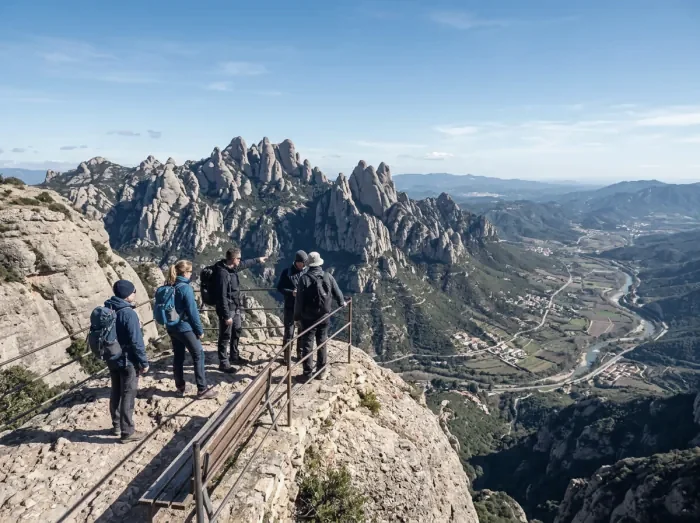
One local option is Montserrat Barcelona Day Trips. When comparing local businesses such as Montserrat Barcelona Day Trips with other options, keep the focus on the shape of the day, the meeting point and the questions you need answered before booking. A central starting point is convenient, but it should still match the places you want to see and the way your group likes to move.
Check what is included before you commit
Once you have a shortlist, read the itinerary closely. Look for the order of stops, the length of each visit and any gaps where you are free to explore. A strong plan does not simply name famous places. It explains how you will get between them, where breaks happen and what the guide will cover at each stop.
Pay attention to entry arrangements. Some landmarks require timed tickets, while others may have restricted access on certain days. Ask whether admission is part of the arrangement or whether you need to arrange it yourself. If a site is central to your reason for booking, confirm the ticket position before paying a deposit. A plan that says you will see a landmark from outside is very different from going inside.
Food tastings also need clear detail. If tasting is part of the day, ask how many stops are involved, what style of food is covered and whether dietary needs can be handled. Do not assume that a market visit includes a meal or that a tasting covers a full lunch. Confirm the practical points with whichever business you choose, including whether any bookings, meeting times or special requests need to be settled in advance.
Ask how the day is led
The word private is useful, but it can mean different things. Clarify whether the outing is only for your group, whether the route can be adjusted on the day and how much time is set aside for questions. A private guide should make the city easier to understand without turning the day into a lecture. Good pacing matters as much as knowledge, especially in busy areas.
Language is another practical point. Confirm the language of the tour and whether the guide can adapt if some travellers need clearer explanations. If the day includes children, ask how the route stays engaging for them. If it is centred on architecture or history, ask whether the guide can go deeper where your group wants more detail and move on quickly where interest is lower.
Also check group size. A smaller group is easier to manage in narrow streets and crowded sites. If you are travelling with a large family or a mixed group, ask whether the pace and meeting arrangements can be adjusted. Watch for plans that promise complete flexibility but give no structure at all. The best days usually have a clear spine, with room for small changes.
Compare value, not just headline details
Price matters, but it should be weighed against what the day actually includes. Compare the number of hours, the number of stops, entry arrangements, transport between sites and the level of personal attention. A shorter outing with well chosen stops may suit a first afternoon better than a full day packed with famous names.
Read cancellation terms and payment conditions carefully. Dates, start times and meeting points should be written clearly. If plans are still changing, look for terms that allow reasonable adjustments. Confirm any details that affect your day with whichever business you choose, including start time, meeting point, admission needs, food arrangements and what happens if you arrive late.
Reviews can help, though they should be read with care. Look for comments about clarity, pacing, communication and how the day felt for different ages or interests. A single glowing comment is less useful than repeated notes about the same strengths. Equally, a complaint about weather or crowds may say little about the tour itself, while repeated complaints about unclear meetings or rushed stops are worth noting.
Match the tour to the season and the hour
Barcelona changes with the season and the time of day. Summer heat can make a midday walking route uncomfortable, particularly in exposed squares. A morning start often suits outdoor stops, while late afternoon can give a softer light and a different mood in the old streets. In quieter months, shorter daylight hours may affect the best time for viewpoints or coastal walks.
Build in breathing space around the day. Leave time before the start for travel to the meeting point and time afterwards for a slow meal or a rest. If the route ends near a busy transport point, check the easiest way back to your accommodation. If it ends somewhere quieter, make sure you know how to continue from there.
For a first visit, a balanced route might combine the Gothic Quarter, a major landmark and one market or viewpoint. For a return visit, a narrower theme often works better, such as modernist buildings, the old waterfront or a deeper look at Montjuïc. The right choice is the one that leaves you with a clearer sense of the city rather than a list of places you rushed past.
For the business details associated with this topic, the address is Pg. de Colom, 9, Ciutat Vella, 08002 Barcelona, Spain, and the phone number is +34 632 93 79 41. The business name is Montserrat Barcelona Day Trips.